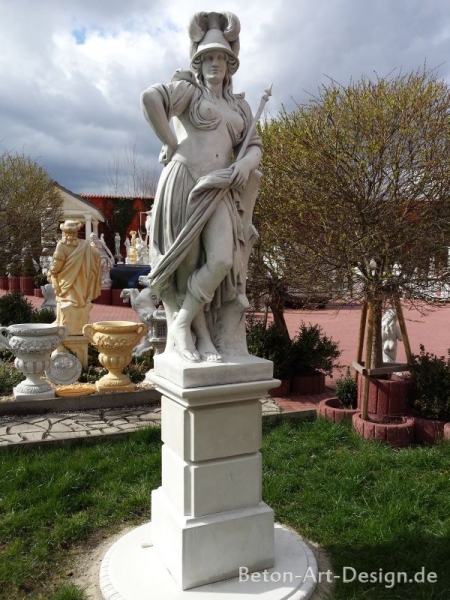
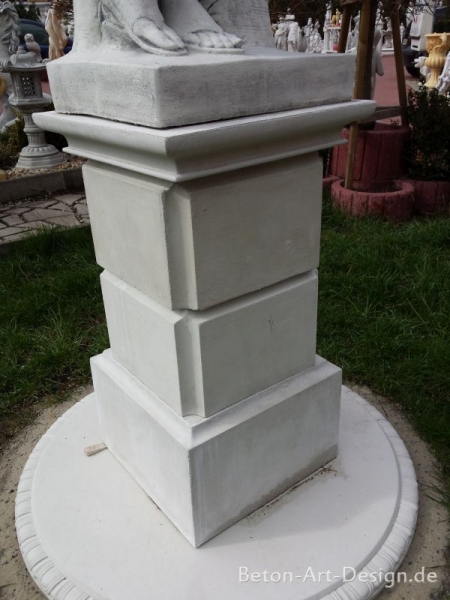
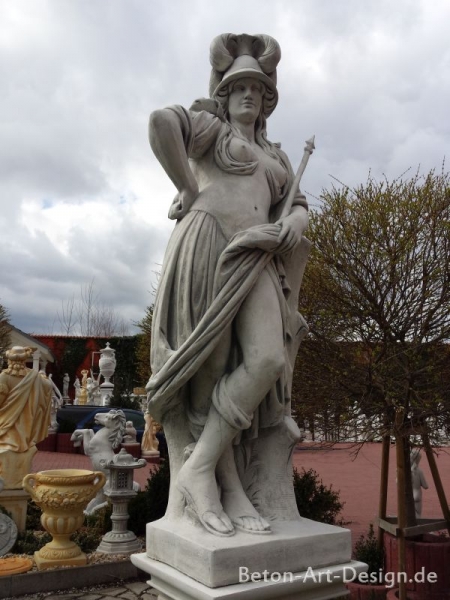
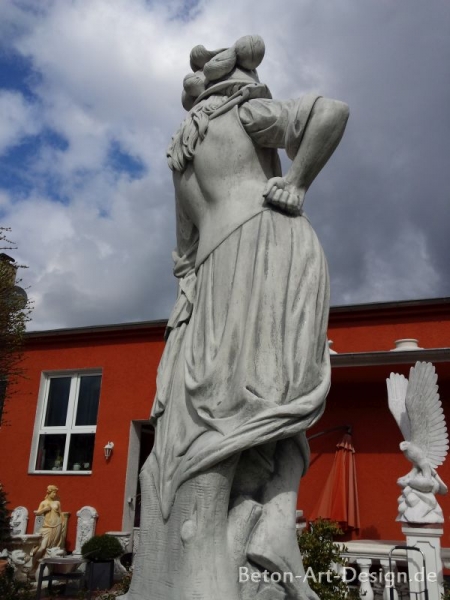
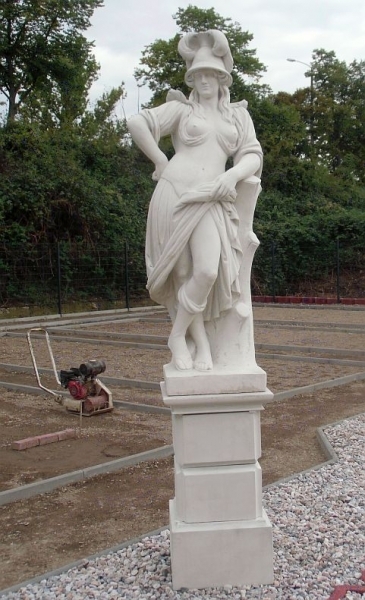
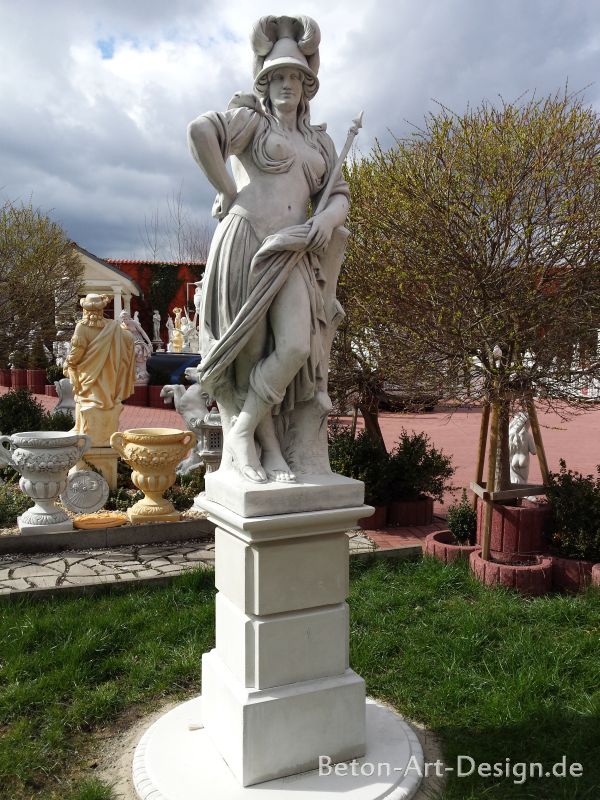
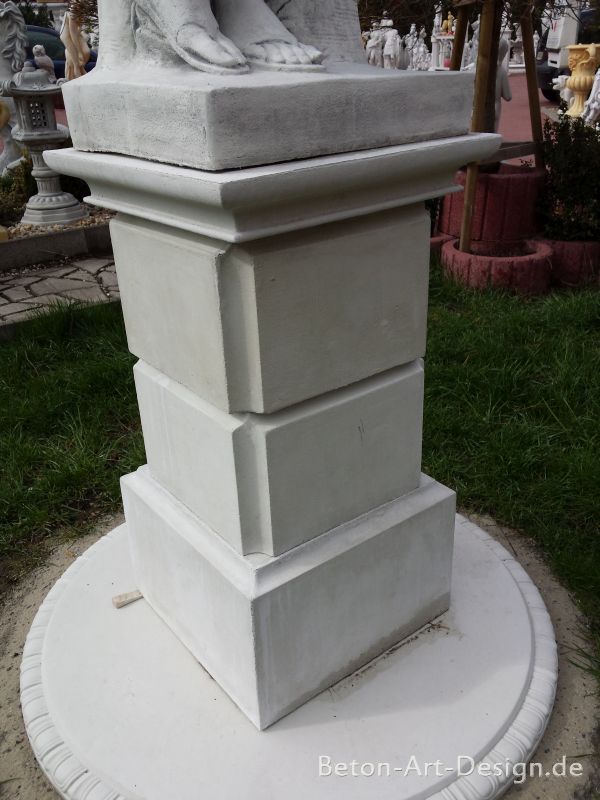
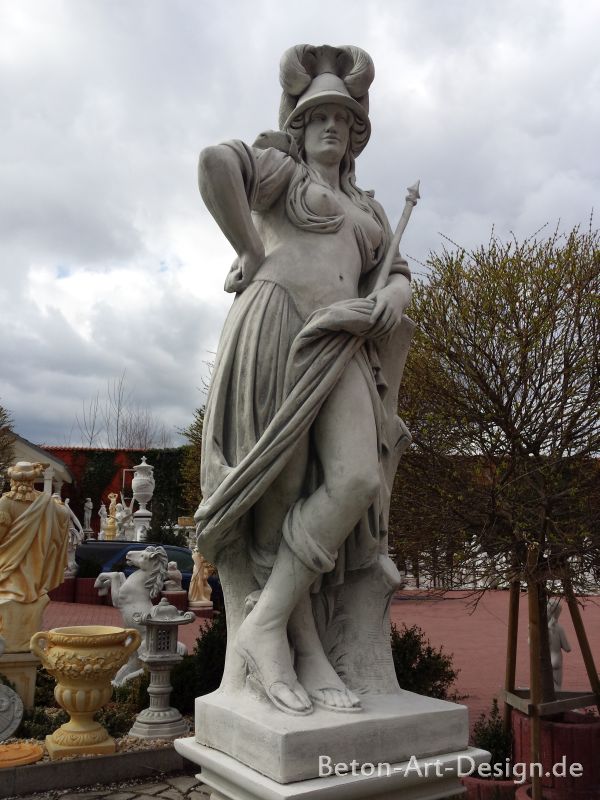
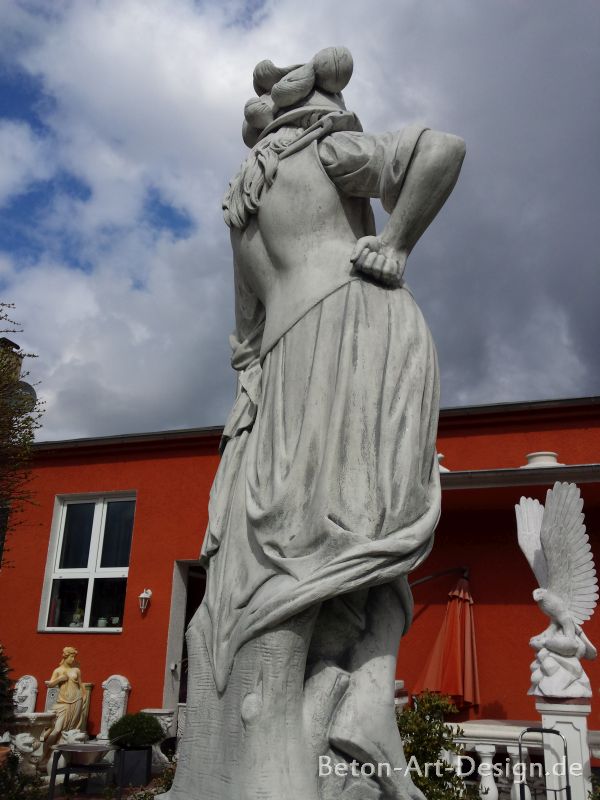
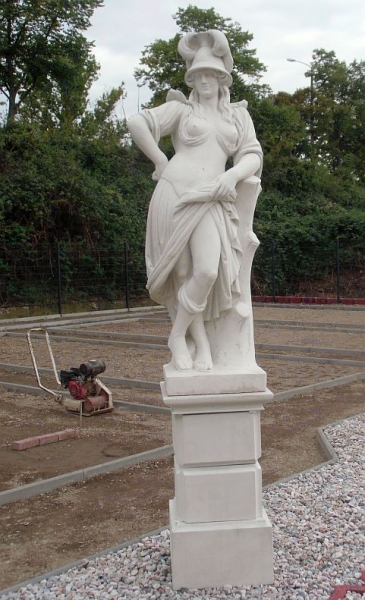
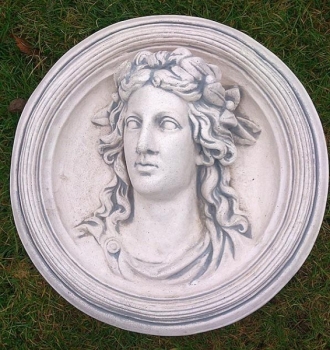
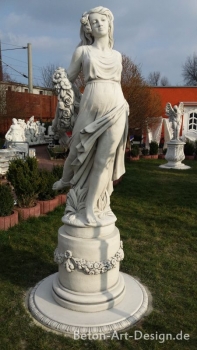
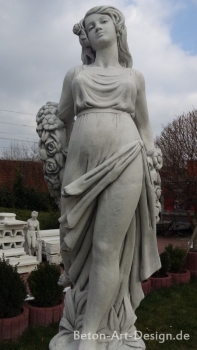
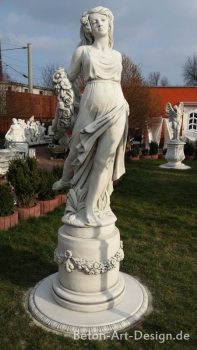
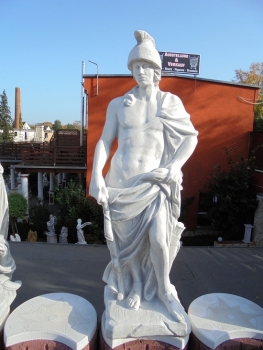
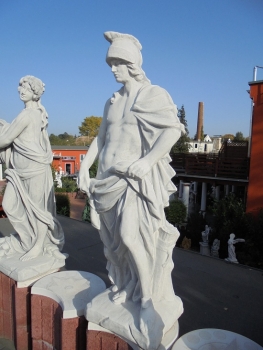
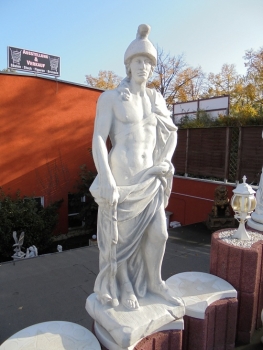
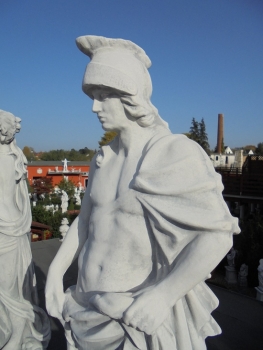
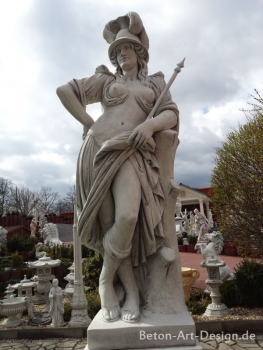
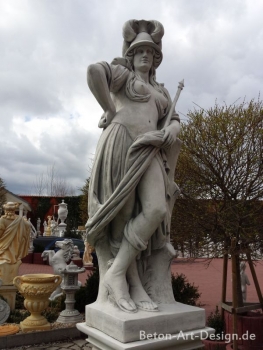
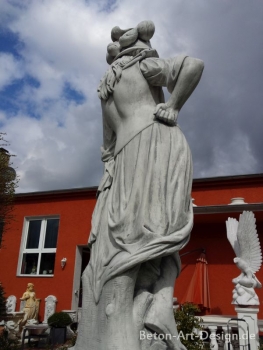
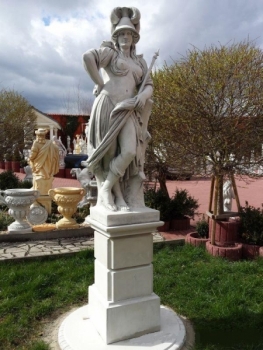
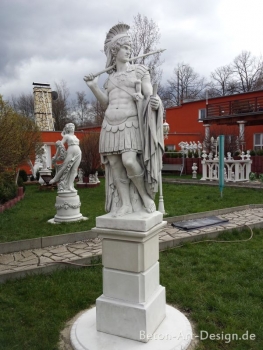
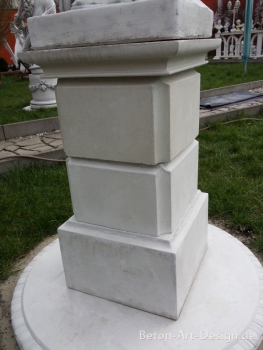
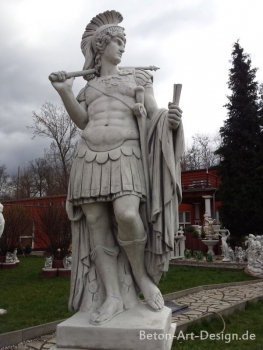
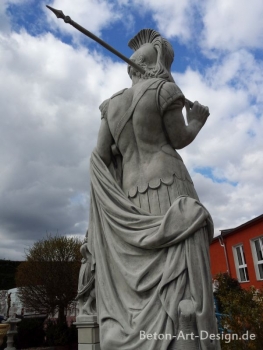
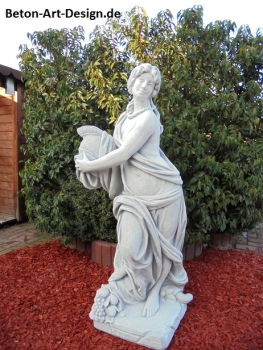
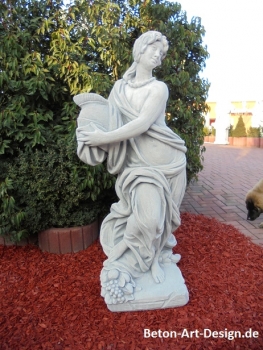
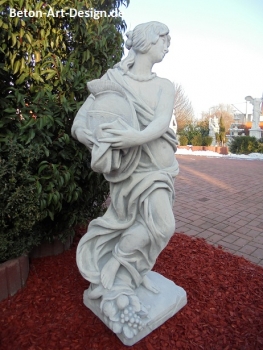
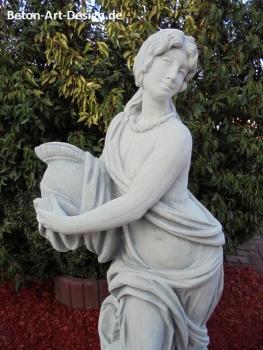
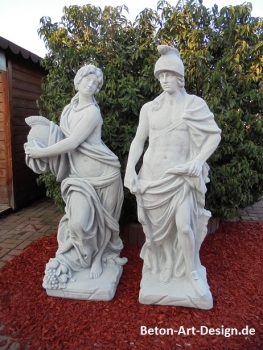
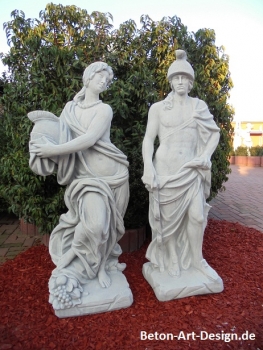
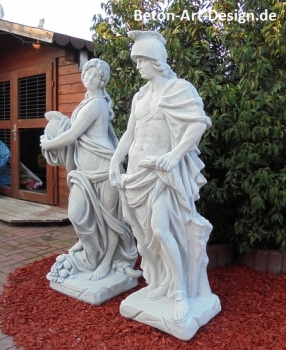
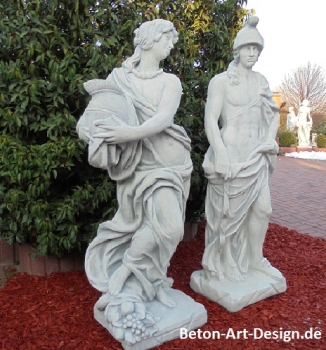
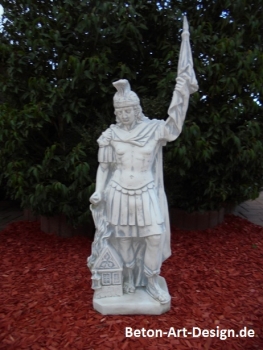
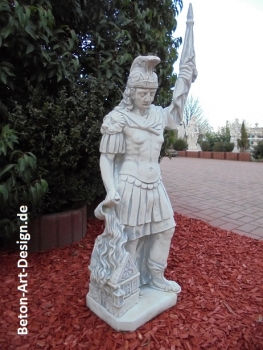
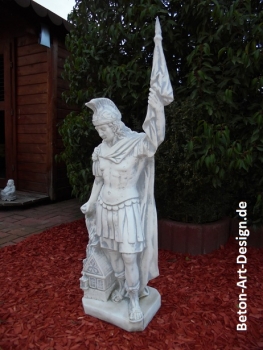
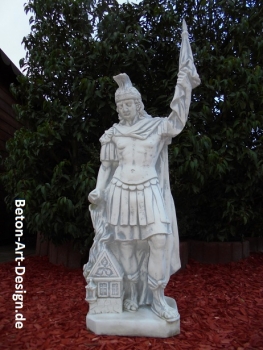
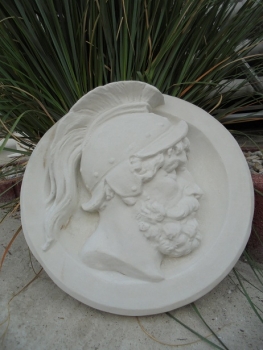
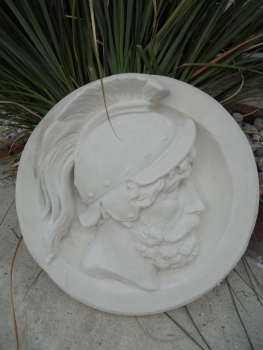
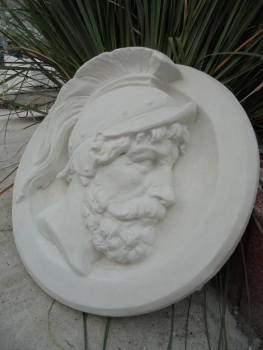
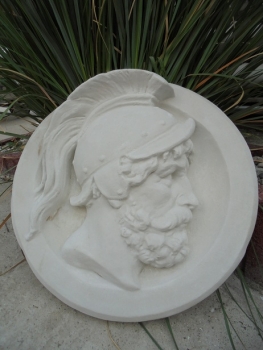
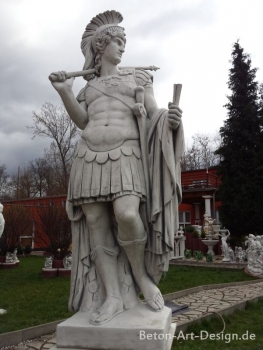
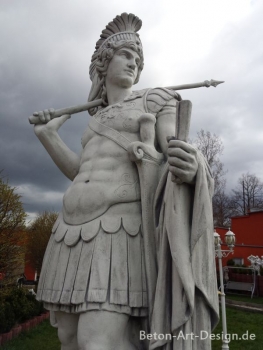
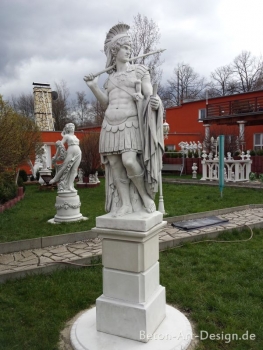
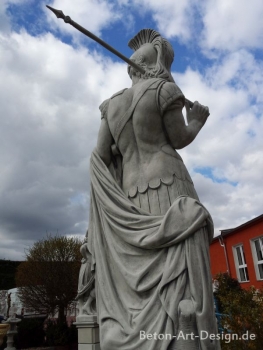
SET 1 x Statue - Roman goddess "Minerva" + 1 x Socket 4 pieces 88.5 cm
rn
Eye-catcher in any garden or patio
Material: White Concrete / Concrete Art
great workmanship
frost resistant for outdoor / weatherproof / washable
rn
Standard color: gray patina (other colors available)
rn
If you have questions about this product or similar to the shipping costs, you can reach our hotline on: 0341 - 442 584 36 - Of course we accept your order by telephone.
Dimensions of the Roman:
Delivery = 1 Garden Figure
Height: about 172 cm
Weight: about 350 kg
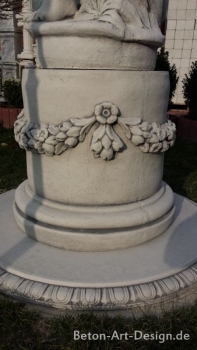
Dimensions of the base:
Delivery = 1 Base 4 pieces
Height: about 88.5 cm
Weight: about 250kg of
Delivery by express / collection of the goods here at Concrete Art-Design in Leipzig possible
(Prices are inclusive VAT -.. Excl. Shipping costs)
Minerva (Etruscan menvra) is a Roman goddess who was particularly revered by the Sabines, the Etruscans and Latins.
In the Roman Empire Minerva was regarded as the protector of the artisans and trades. Over time, it was equated with the Greek goddess Athena, and so was also patroness of poets and teachers. Minerva was the goddess of wisdom, tactical warfare, art and shipbuilding as well as the guardian of knowledge. The main festival of Minerva, the Quinquatrus (19 March later from March 19 to March 23rd), was especially celebrated as a festival of craft guilds and guilds. In the 18th century it was considered the Minerva celebrations for the precursor Gregorius removals due to the elements of this festival and many other indications.
Later, the ideas of the Greek Athenekultes have been incorporated into the image of Minerva. Since Augustus they have been revered as the victorious imparting or the fate of the state directing goddess.
In Rome, Minerva was worshiped alongside Jupiter and Juno as one of the three city deities on the Capitoline Hill. Her temple once stood in the middle of the Aventinhügels. Today, however, no remnants have survived it. A second temple was - also since the Republican period - on the Esquiline. This was the Minerva Medica ordained that represented the patron goddess of the doctors. A third temple was on the Caelian Hill. This was called "Temple of Minerva Capta" because the cult image 241 v. Chr. Had been stolen by the Romans from the conquered Falerii.
The Minerva is the emblem of the Max Planck Society and was also Signet of the predecessor organization, the Kaiser-Wilhelm-Gesellschaft. They can also be found on the California seal.
(Source: Wikipedia)